
High-level alarms
Local and remote warning where liquid levels rise above the normal operating range.




Pump monitoring, high-level alarms and telemetry interfaces that provide earlier warning of faults, rising levels, power loss and abnormal operation.

Monitoring helps site teams respond before a developing problem becomes a flood, sewage surcharge or complete service failure. The appropriate system depends on the pump application and consequence of failure.
Options can include local high-level alarms, panel fault indication, remote notifications, run-status monitoring, power-failure alerts, level information and interfaces to wider BMS, telemetry or SCADA systems.
We review the existing controls, available signals, communication method, alarm recipients and testing requirements before recommending an arrangement.
Local and remote warning where liquid levels rise above the normal operating range.
Run, fault, trip and availability signals from compatible controls.
Alerts routed to agreed contacts through suitable communication equipment.
Connections to BMS, telemetry or SCADA subject to the project specification.
Send photographs, pump data, drawings and a description of the requirement. We will identify the information needed for the next step.
Monitoring does not replace planned servicing, but it can reduce the time between a fault developing and someone becoming aware of it. This is especially valuable for remote, unattended or business-critical systems.
Existing panels may already provide suitable volt-free contacts or communication signals. Where they do not, panel modification or replacement may be required to create reliable alarm and status information.
Alarm ownership is important: recipients, escalation routes, testing intervals and out-of-hours arrangements should be agreed so notifications lead to action.

Confirm equipment, signals and risks.
Agree alarms, recipients and interfaces.
Fit and integrate compatible monitoring equipment.
Prove alarms, communications and response routes.
Whether you’re planning a new installation, replacing an existing pump or need expert advice, our engineers are here to help.
Trusted by residential, commercial and industrial clients across the South of England.
Use the service that matches the immediate requirement so the engineer can prepare the correct scope and equipment.
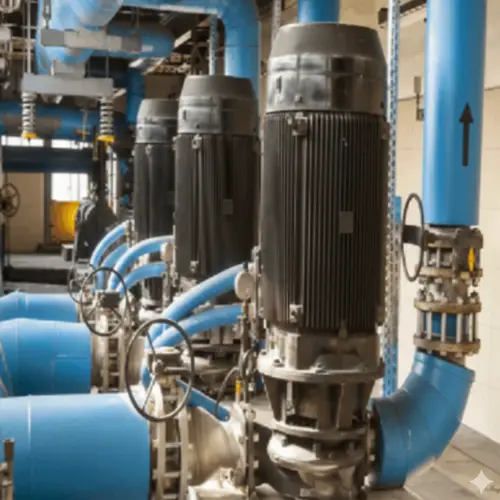
Physical inspection and maintenance alongside remote visibility.
01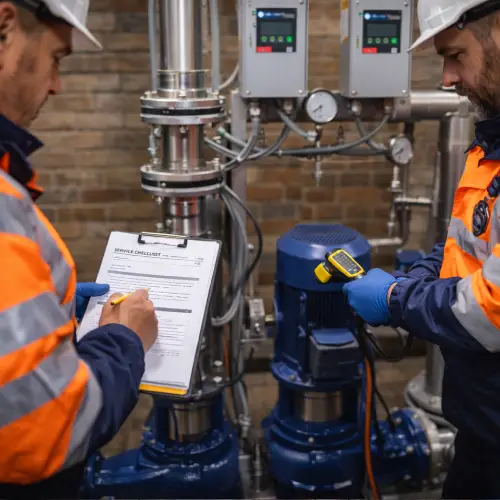
Combine monitoring with planned site maintenance.
02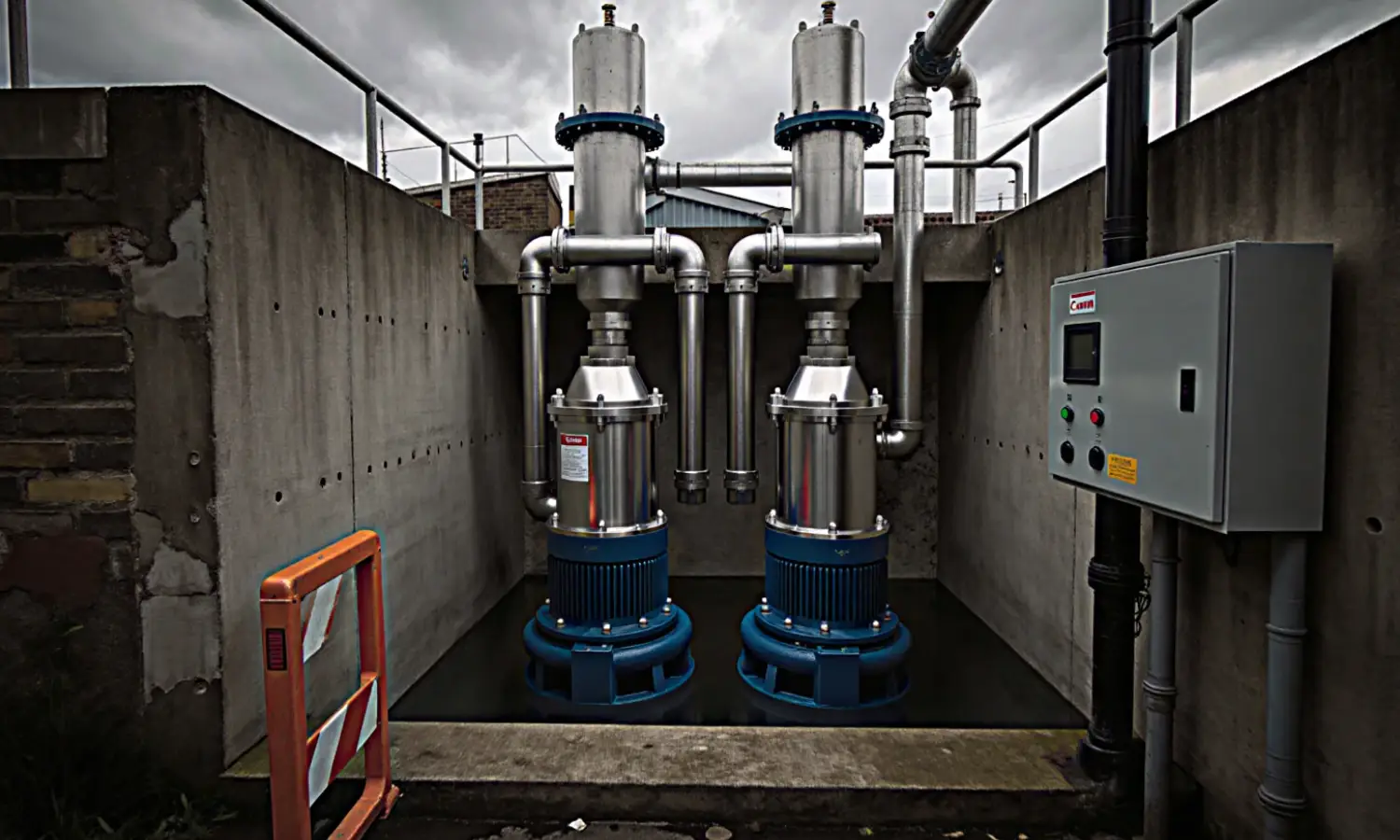
Control, alarm and telemetry improvements for existing stations.
03
Engineering response when a critical alarm is received.
04Not sure which service applies? Send the fault, project or asset information and we will direct the enquiry correctly.
The scope is agreed around the equipment, site conditions, operational risk and the information available.
Confirm equipment, signals and risks.
Agree alarms, recipients and interfaces.
Fit and integrate compatible monitoring equipment.
Prove alarms, communications and response routes.
The recommended work is based on the actual pump system and site conditions rather than a generic product assumption.
Where follow-up repair, replacement or design work is required, the next stage is clearly separated from the initial attendance or service scope.
We supply, install and repair leading pump manufacturers including Grundfos, Flygt, Wilo, Lowara, DAB, Ebara, Xylem, HOMA, HCP, Tsurumi.
Answers to common questions about scope, preparation and the next steps.
Depending on the controls, it may report high level, pump fault, pump running, power failure, abnormal run time and other agreed signals.
Often yes, subject to the panel condition, available signals, electrical design and compatibility. Some systems require panel modification or replacement.
No. It provides visibility between visits but does not replace physical inspection, cleaning, testing and preventative maintenance.
This depends on the selected platform and agreed escalation process. Recipients and responsibilities should be defined during setup.
Yes, where the project specification and available signals allow. The interface requirements should be confirmed with the controls or telemetry provider.
Send the site and equipment information and our team will review the most appropriate next step.